
EV and EBITDA
EV and EBITDA are two of the most important figures in company valuation. Together, they help investors compare businesses beyond share price alone.
ET&A Research · 24 July 2026
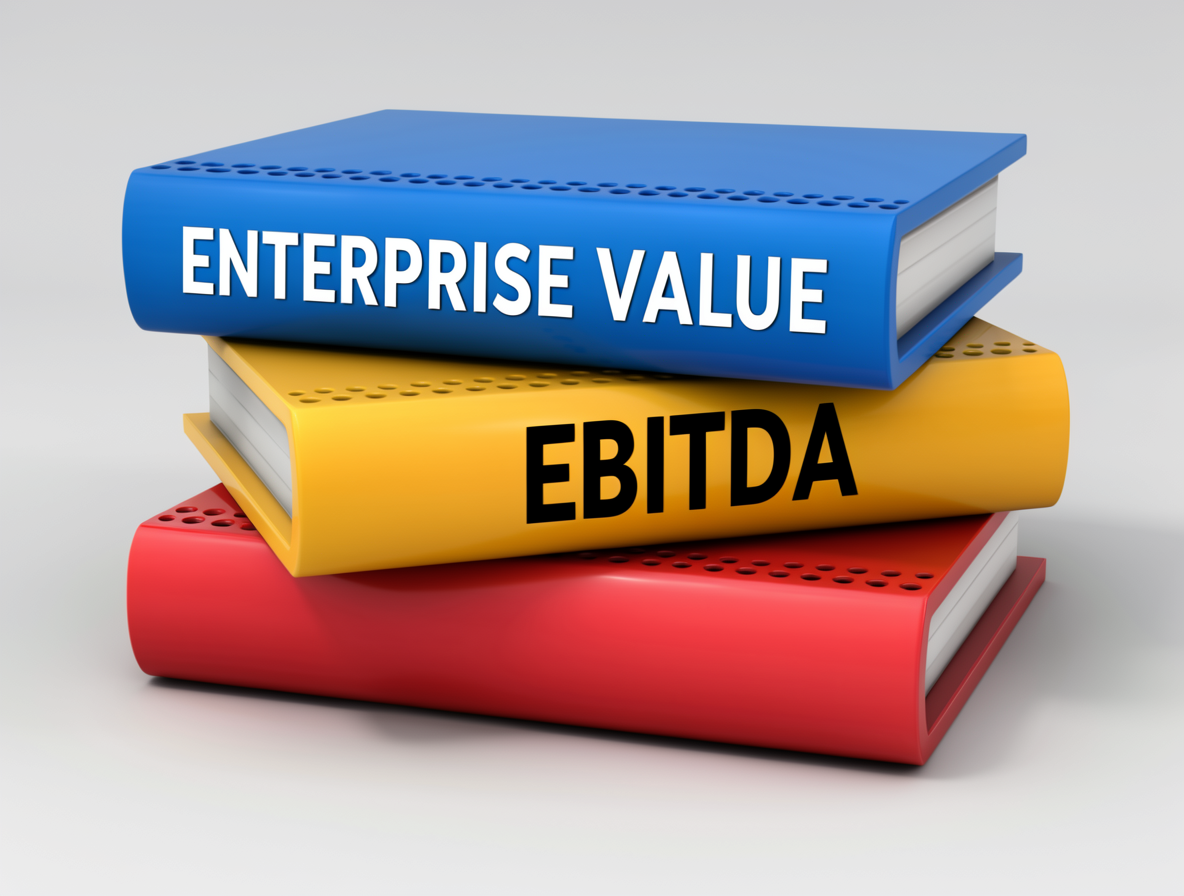
When investors analyse a company, one of the most common questions they ask is: “Is this company expensive or cheap?” One way to answer that question is by looking at a valuation metric called EV/EBITDA.
EV/EBITDA may sound technical, but the idea behind it is simple. It compares the total value of a company to the profit it generates from its core operations.
EV stands for Enterprise Value. This is the total value of a business. It includes the company’s market value, its debt, and then subtracts cash. In simple terms, enterprise value tries to answer the question: “How much would it cost to buy the whole company?”
This is different from market capitalisation, which only looks at the value of the company’s shares. Enterprise value is broader because it also considers debt. This matters because if you buy a company, you usually take on its debt as well. At the same time, cash on the company’s balance sheet reduces the true cost of buying it.
EBITDA stands for Earnings Before Interest, Taxes, Depreciation and Amortisation. In simple terms, it is a measure of a company’s operating earnings before certain accounting and financing costs are deducted.
EBITDA is often used because it gives investors a rough idea of how much cash profit the company’s core business is generating. It removes the impact of things like interest payments, tax structures, and non-cash accounting expenses. This makes it easier to compare companies, especially if they operate in the same industry.
So, EV/EBITDA tells us how much investors are paying for each pound, dollar, or naira of EBITDA that the company generates.
For example, if a company has an enterprise value of £10 billion and EBITDA of £1 billion, its EV/EBITDA ratio is 10x. This means investors are paying 10 times the company’s annual EBITDA to own the business.
A lower EV/EBITDA multiple can suggest that a company is cheaper. A higher multiple can suggest that a company is more expensive. However, it is not always that simple. Some companies trade at high EV/EBITDA multiples because investors expect them to grow quickly. For example, a fast-growing technology company may look expensive today, but investors may be willing to pay more because they believe future earnings will be much higher. On the other hand, a company with slow growth, high debt, or weak prospects may trade at a lower multiple for a good reason.
This is why EV/EBITDA should not be used on its own. It is most useful when comparing companies in the same sector. A telecoms company should be compared with other telecoms companies. A mining company should be compared with other mining companies. Comparing a bank to a software company using EV/EBITDA would not be very helpful because their business models are very different.
One advantage of EV/EBITDA is that it gives a fuller picture than the price-to-earnings ratio, because it includes debt. This is especially useful when analysing companies with different capital structures. Two companies may have similar share prices and profits, but one may have much more debt. EV/EBITDA helps investors see that difference more clearly.
However, the metric also has limitations. EBITDA does not include capital expenditure, which is the money a company must spend to maintain or grow its assets. This can be a major issue for businesses such as airlines, manufacturers, telecoms companies, or data centres, where infrastructure spending is high. A company may look profitable on an EBITDA basis but still require heavy investment to keep operating.
In simple terms, EV/EBITDA is a valuation tool that helps investors understand how much they are paying for a company’s operating earnings. It is useful, but it should always be used alongside other measures such as revenue growth, debt levels, cash flow, profit margins, and the quality of the business.
A company is not automatically a good investment just because its EV/EBITDA ratio is low. Equally, a company is not automatically bad just because its ratio is high. The real question is whether the price makes sense when compared with the company’s growth, risk, industry position, and future earnings potential.
Enjoyed this analysis?
Create a free account to follow our coverage — or subscribe for the full research stack.
More in Investment Fundamentals

How to Analyse an IPO Before Buying It
An IPO can look like an opportunity to invest in a company before everyone else. In reality, the first question should not be whether the business is exciting, but whether the price, financials, ownership structure and incentives make the shares attractive.
ET&A Research · 2 September 2026 · 12 min read
Understanding the P/E Ratio Properly
A low price-to-earnings ratio does not automatically mean a stock is cheap, just as a high P/E ratio does not automatically mean it is expensive. The ratio only becomes useful when investors understand what the market is pricing into those earnings.
ET&A Research · 24 August 2026 · 12 min read

How to Read an Income Statement as an Investor
A beginner-friendly guide to understanding revenue, costs, margins and profit—and identifying what actually matters when analysing a company.
ET&A Research · 12 August 2026 · 11 min read