
The Strait of Hormuz Is Becoming a Tax on the Global Economy
The economic consequences of disruption in the Strait of Hormuz extend far beyond crude oil. Higher shipping costs, insurance premiums, aviation fuel, natural gas, fertiliser and petrochemical prices are spreading through global supply chains. The result increasingly resembles a geopolitical consumption tax: households and businesses pay more for the same goods simply because the world has become more expensive to move through.
ET&A Research · 2 September 2026
When geopolitical tensions rise around the Strait of Hormuz, financial markets instinctively look at the oil price.
Insight research
Continue reading with a subscription
Insight members get deeper company research, sector analysis and premium market commentary. Or buy just this report.
More in Markets and Economics

Cheap Chinese Cars Are Forcing Britain to Choose
Chinese electric cars are becoming cheaper, better and more popular in Britain. That is good news for consumers. It may be much less comfortable for Britain's car industry.
A. Francis Ugbabe · 6 October 2026 · 4 min read

Higher for Longer Is Back
The Global Easing Cycle Is Going Into Reverse
ET&A Research · 21 September 2026 · 10 min read
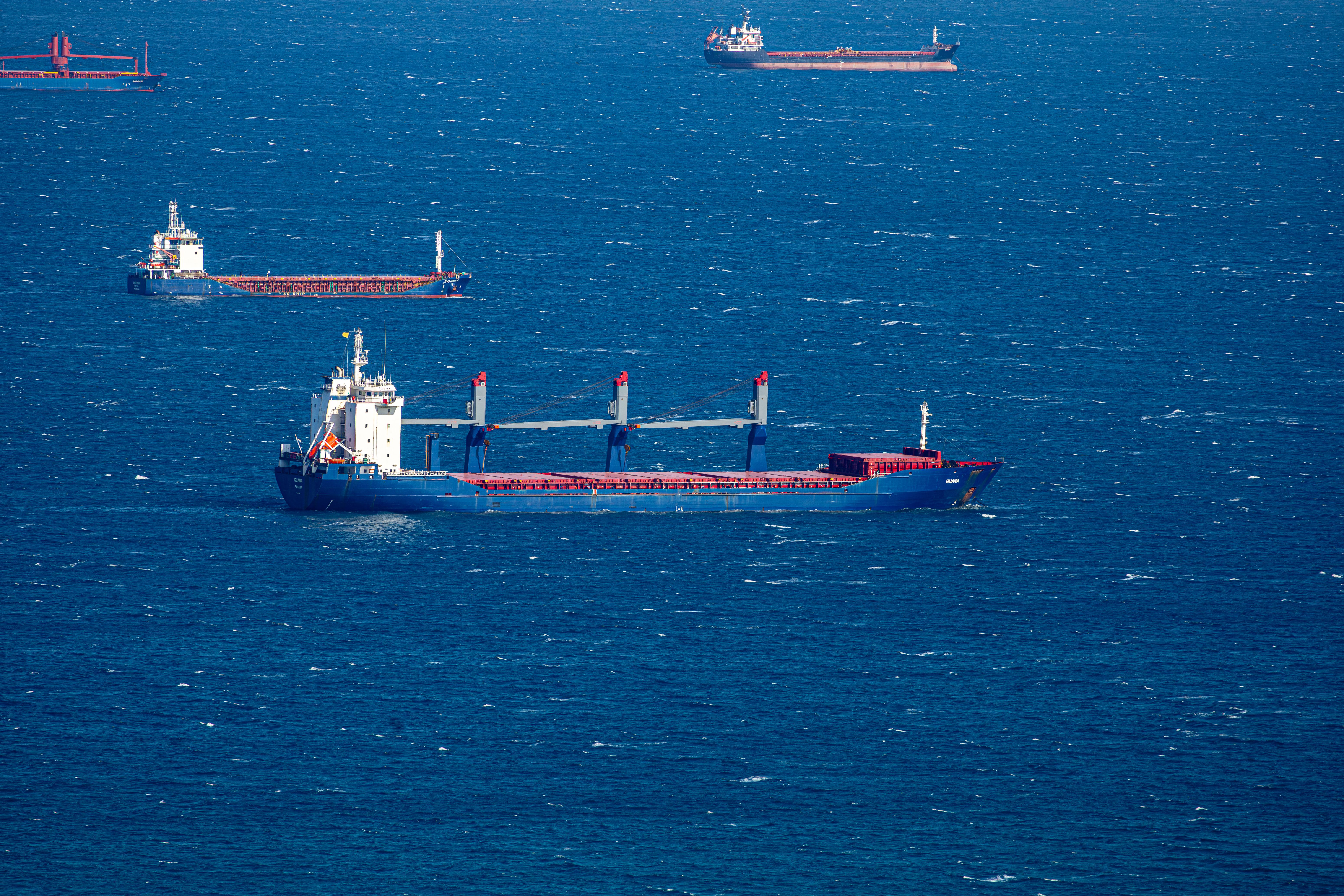
The Oil Crisis Is Becoming a Shipping Crisis
The world is not simply running short of oil. Increasingly, the problem is getting the right barrels to the right place.
ET&A Research · 14 September 2026 · 9 min read